Are they different or are WordPress and Elementor the Same?
There are two words that if you’ve talked to a designer or researched building a site much you’ve probably stumbled upon. You’ve likely heard both WordPress and Elementor get mentioned. They might have even been mentioned nearly interchangeably. It can leave a small business owner wondering, are WordPress and Elementor the same? It’s a great question, and an important one to understand when it comes to making and getting the most of your website.
It is true that they’re very closely connected and often used together, WordPress and Elementor are not the same thing. They are essentially two powerful tools that work hand in hand together with one as the foundation, and the other as a design supercharger.
What Is WordPress?
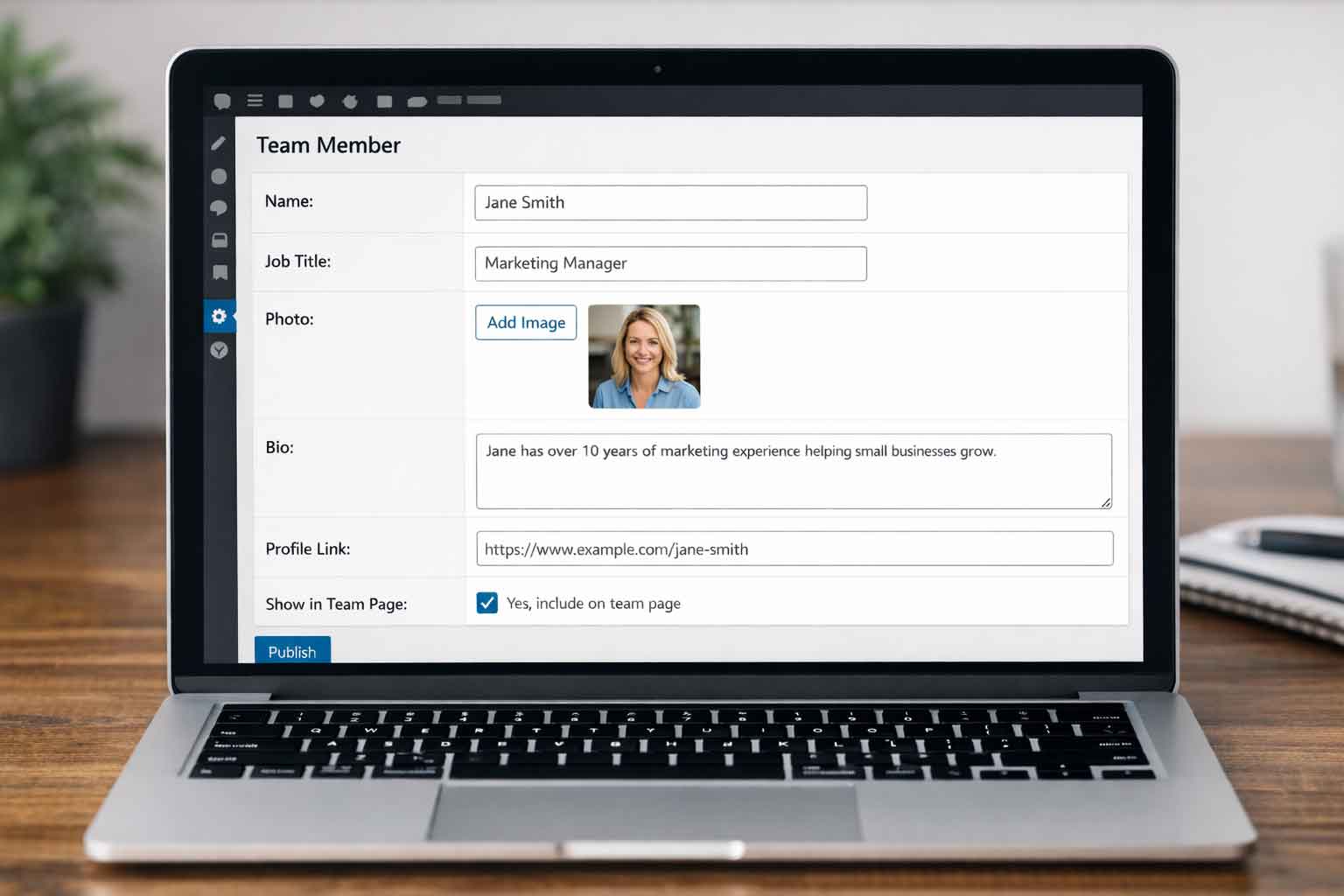
WordPress is a Content Management System (CMS) that is essentially the software that powers, runs, and organizes an entire website. It’s open-source, free to use, very widely used (over 40% of the websites on the web use WordPress), and can support anything from a small business website to large e-commerce stores and everything in between.
When someone asks, “are WordPress and Elementor the same?” it can be helpful to know that WordPress is the base platform. It lets you do things like manage your pages, posts, media, plugins, user accounts, and so much more. While WordPress is an incredibly powerful CMS, its default page editor can feel a little clunky or limited for many users. This is especially true if you’re aiming for a more custom, unique, or brand focused design without touching code.
Enter Elementor.
What Is Elementor?
Elementor is a WordPress plugin. But it’s so much more than just that, it’s a visual page builder. With Elementor, you can have a custom design that is brand specific and very easily build out your website pages with simple drag-and-drop tools and real-time editing. There’s little to no need to be editing code in the backend, but rather simply clicking to edit and adjusting things visually, right on the page.
So, are WordPress and Elementor the same? Nope. Elementor is built to work as an extension to WordPress. Elementor doesn’t replace WordPress at all, but rather enhances it. You still need WordPress installed for Elementor to work at all.
Why the confusion?
The confusion on if WordPress and Elementor are the same tends to come from how closely they’re connected and used together. At Full Scope Creative, we build all of our sites using WordPress as the CMS that powers the website, and Elementor as the page builder to make for easy updating for our clients.
It’s sort of like a smartphone and the camera app. They’re not the same thing at all, but you need the smartphone to run the camera app, and the camera app makes the smartphone more so much more useful and beneficial.
Do You Need Elementor If You Have WordPress?
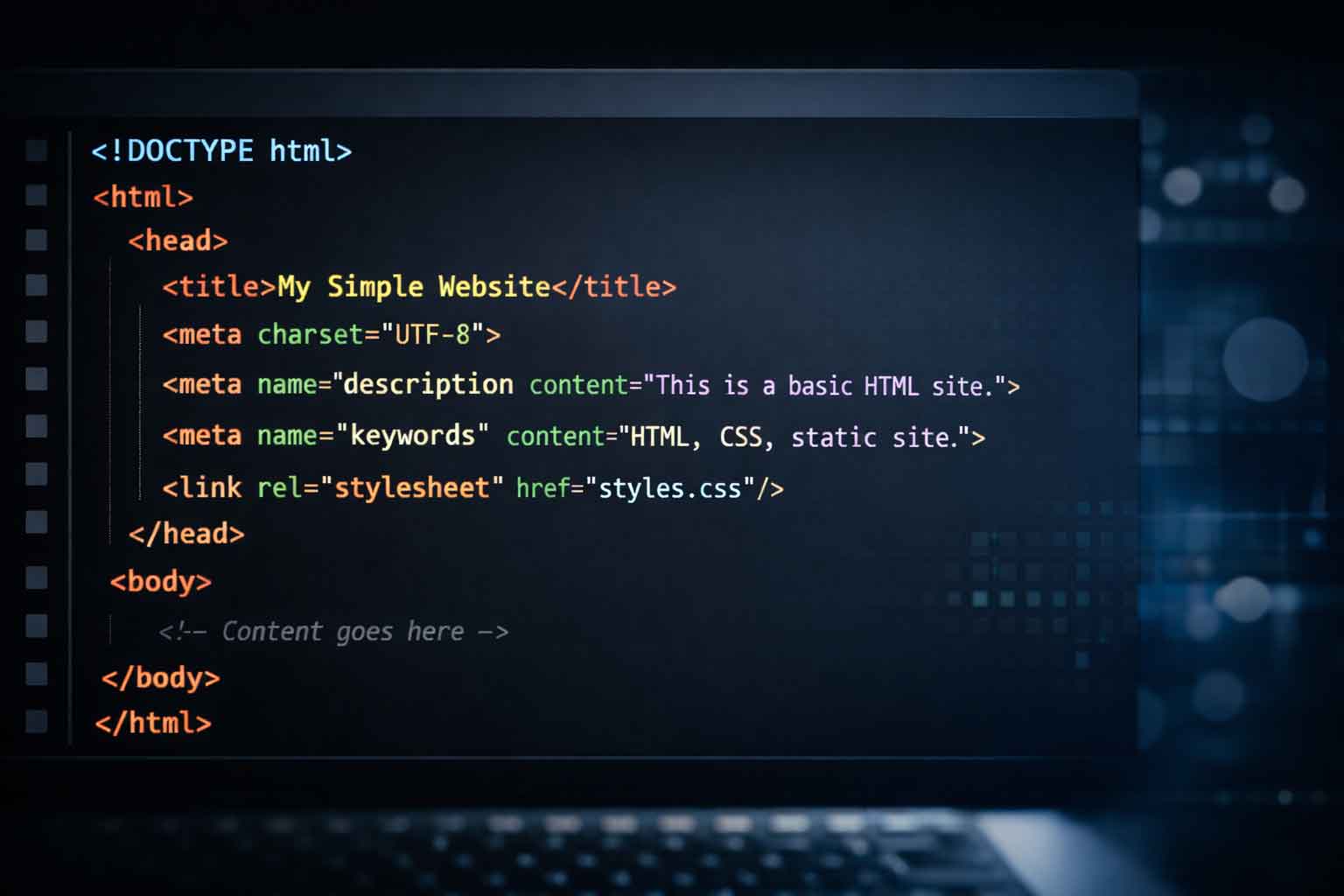
No WordPress site needs Elementor. WordPress will work entirely on its own. There are other page builders out there as options, but Elementor is one of the most popular tools. The reason for the popularity is simple: it’s easy to use, extremely flexible, and gives non-designers a way to make changes easily without needing to know any HTML, CSS, or any other programming language.
If you’re building or editing a site and are looking for more control over layout, design, or responsiveness and not wanting to have to rely on a developer for every update – Elementor is a great choice.
That said, Elementor isn’t a required plugin for using WordPress. If your site has a very basic and simple layout or your designer is handling all of the updates, then it might not even be needed.
What Elementor Brings to the Table
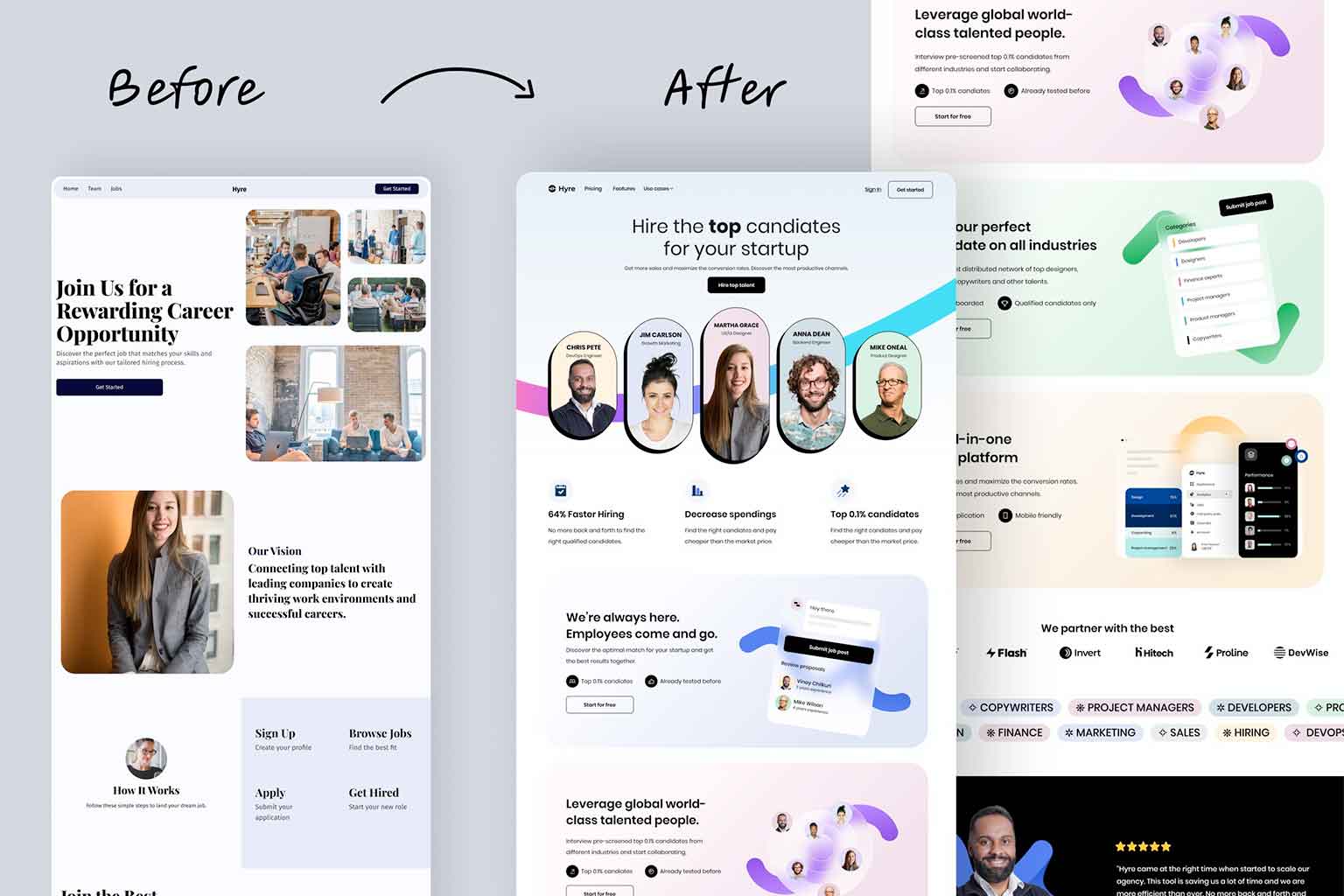
The thing we love so much about Elementor is that it takes the solid and secure backend structure of WordPress and makes it easy to work with. Far easier than the built-in WordPress editing options and far more dynamic. To be honest, it also makes it far more fun to build pages that reflect the brand of the business we’re building a site for. With Elementor, you’re not just typing into a box or a WYSIWYG editor and hoping it looks good once saved and published. Users with no technical knowledge of coding languages can easily and simply drag and drop elements like headlines, images, buttons, videos and more to exactly where they want them.
Need a call-to-action section that really stands out? Want a custom layout design for a services page? Elementor lets you do all that without needing to touch or edit a single line of code. It opens up endless design flexibility and possibilities. It does all this whether you’re starting a site or a page from scratch or tweaking an existing page already set up in Elementor. And for us at Full Scope Creative, it’s a tool we trust to help our clients feel empowered, not overwhelmed or frustrated when managing their site.
Elementor Makes Website Updates Easier
When we meet with prospective new clients, one of the biggest pain points we hear about is how hard it was to make simple edits on their old site or that all of the updates had to be sent to the designer to make. Elementor solves all of those pain points for our clients. Want to change a photo, update some headline text, or move a section to a new spot? With Elementor, anyone can do that visually and easily – no need to dig through confusing menus or HTML.
Elementor is perfect for small business owners and nonprofits who want to be able to control their site and content updates without the stress that can come with it. It’s not just about building a great-looking website, even though that is one of our biggest goals, it’s about making that website usable and maintainable for our clients long after the site is launched. That’s why we include Elementor and Elementor Pro on every WordPress site we design and build. It just simply makes life easier for our clients and us.
Sure, getting in and using Elementor the first time can be a bit confusing for some users, but we always set up training sessions with our clients to go through how to use Elementor (and WordPress). We provide the training and resources to make website updates easy and cost effective. We’ve also got our library of guides we share with our clients and any that go over a number of WordPress and Elementor updates.
Why We Use WordPress and Elementor Together
We use WordPress and Elementor together because it gives our clients the best of both digital worlds. WordPress gives the sites we build the strong, flexible foundation we need, and Elementor allows us to design visually stunning sites that are on point to our clients brand and our clients can easily edit and update themselves.
Whether it’s simply updating text, swapping out some photos, updating a video, or adding new service pages, Elementor makes all those tasks much easier for our clients and reduces their stress and makes the website and updates more affordable since they can do them all themselves. And if we ever need to dig deeper on the development side, WordPress lets us extend things further with custom coding and plugin integration.
Are WordPress and Elementor the Same? Why Knowing the Difference Matters
It might seem like a small detail, but knowing the difference between WordPress and Elementor can help make better decisions for your website and business. Knowing how they work together to make for an even better website means you can better manage your site, your business, plan for future updates, and troubleshoot when needed.
If you’re unsure how your current site is built or wondering which platform and tools would work best for your next redesign, we’re happy to help. Let’s schedule a free consultation and take a look at what you’re working with—and where you want to go.