What’s the Difference and Why You Need Both
If you own a small business website, you’ve probably heard the terms hosting and maintenance used interchangeably. They are often bundled together, talked about in the same breath, or misunderstood entirely. While they work closely together, they serve very different purposes. And skipping either one can lead to problems down the road.
Let’s break down what each one actually does and why both matter for your website.
What Is Website Hosting?
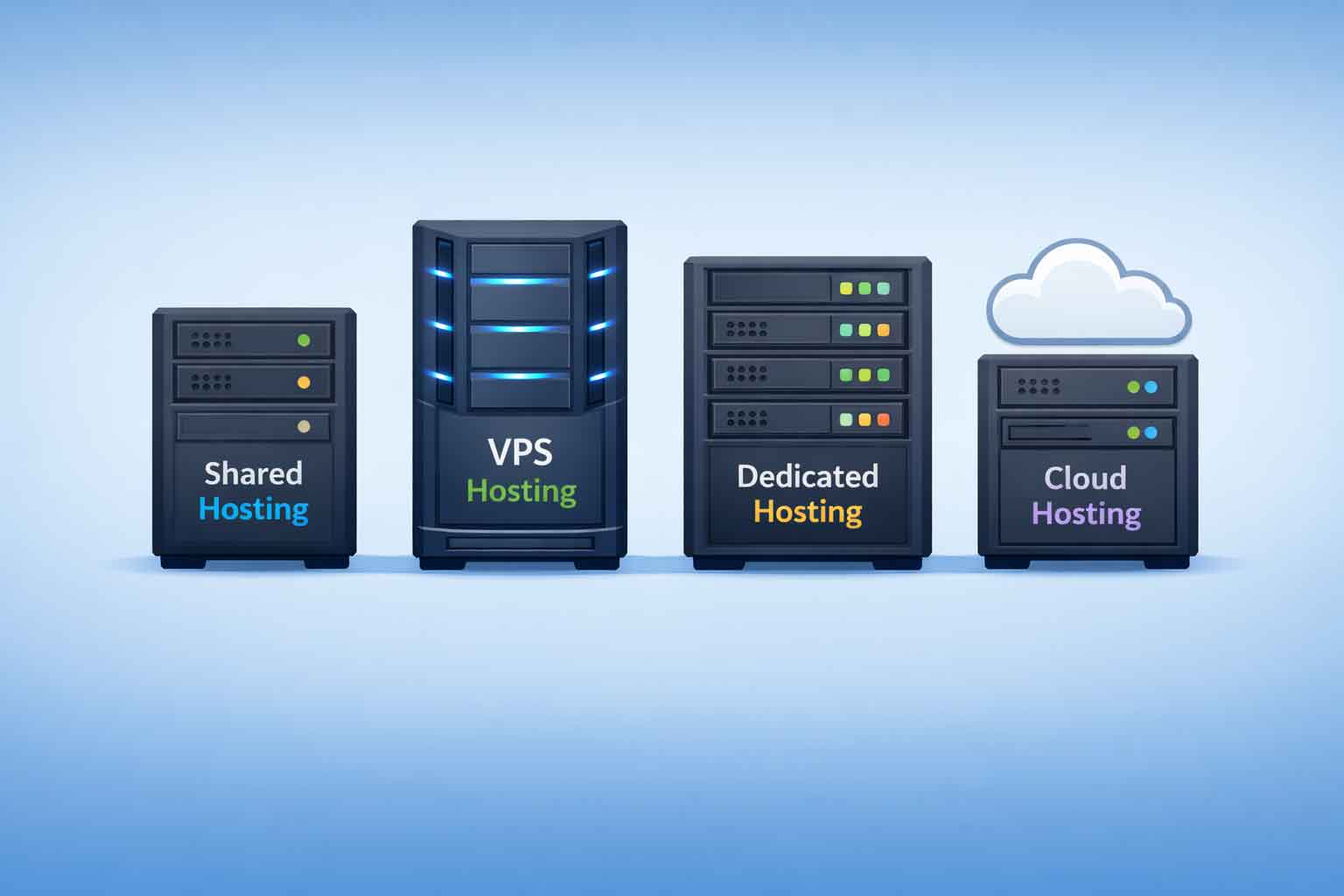
Website hosting is what makes your website accessible on the internet.
Think of hosting as the physical location where your website lives. All of your site’s files, images, content, and code are stored on a server. When someone types in your website address, the hosting server delivers your site to their browser.
Without hosting, your website simply would not exist online.
Hosting typically includes things like:
- Server space to store your website files
- Bandwidth so visitors can access your site
- Security features like SSL certificates
- Uptime monitoring to keep your site online
- Backups in case something goes wrong
Good hosting focuses on reliability, security, and speed. Cheap or unmanaged hosting often leads to slow load times, outages, or security issues that small business owners don’t even realize are happening.
What Is Website Maintenance?
Website maintenance is the ongoing care and upkeep of your website.
If hosting is where your site lives, maintenance is what keeps it healthy and working properly over time. Websites are not set it and forget it tools. They are built on software that needs regular attention.
Maintenance usually includes:
- Updating WordPress core, themes, and plugins
- Monitoring for security issues or malware
- Fixing small issues before they become big problems
- Making sure forms, links, and features still work
- Keeping backups current and usable
Without maintenance, websites slowly fall behind. Outdated software becomes vulnerable. Small issues pile up. One day a form stops working or the site goes down after an update and no one knows why.
The Key Difference Between Hosting and Maintenance
The simplest way to explain the difference is this:
Hosting keeps your website online.
Maintenance keeps your website working properly.
You can have hosting without maintenance, but that usually leads to problems. You can also have maintenance without quality hosting, which limits how well your site performs.
They solve different problems, but they support the same goal. A reliable, secure, professional website that supports your business.
Why Small Businesses Need Both
Small business websites are often the first impression someone has of your company. If your site is slow, broken, or insecure, it reflects directly on your brand.
Hosting alone will not protect you from plugin conflicts, outdated software, or broken features. Maintenance alone cannot fix slow servers, downtime, or poor security infrastructure.
When hosting and maintenance work together:
- Your site loads faster
- Security risks are reduced
- Issues are caught early
- Updates do not become emergencies
- You are not scrambling when something breaks
This is especially important for business owners who do not want to deal with technical issues themselves. Having both covered gives you peace of mind and lets you focus on running your business.
How Full Scope Creative Handles Hosting and Maintenance
At Full Scope Creative, we treat hosting and maintenance as two parts of the same responsibility. Hosting provides the foundation. Maintenance protects the investment.
We manage updates, security monitoring, backups, and server reliability so our clients are not left guessing when something goes wrong. If there is an issue, you are not calling a call center or searching forums. You are reaching out to someone who knows your site.
If you are not sure whether your current setup truly includes both hosting and maintenance, or if you want help simplifying it all under one roof, that is a good conversation to have. A well cared for website is one of the most valuable tools a small business can have.