How Web Design Impacts Content Marketing Across Channels
Content marketing goes far beyond just writing some blog posts or coming up with a few catchy captions on social media. Content marketing is a long-term marketing strategy that spreads across your businesses entire digital existence. From SEO and email marketing to social media and more, your content marketing is woven into each and tied back to one central point. That central point is the thing that too many businesses overlook in their content marketing strategy, and that is how web design impacts content marketing. Your website is the cornerstone of all of it.
No matter where your audience and users first come across your business, most of the time the goal is to get them to eventually land on your site. If that website experience (the User Experience, UX) doesn’t match the quality of your content on the other channels, you can lose the momentum you worked hard to build with that potential customer.
Let’s take a deeper look at how web design impacts content marketing and why making your website needs to be a high-performing tool that makes all your marketing efforts stronger and cohesive.
How Web Design Impacts Content Marketing Across Channels
Your Website is the Cornerstone of All Content Marketing
Your content and marketing with a customer may start on Facebook, in an email inbox with a newsletter, or on page one of Google – but the goal should always be the same: get the user to your website.
That’s where your finely worded blog articles reside. It’s where new newsletter signups happen. It’s where visitors can learn about your services in greater detail, they can download a key resource, and ideally they can make a purchase or complete a key conversion point (like filling out a contact form). If your website isn’t up to the same gold standard as your other content, it can undercut your credibility, hurt engagement, halt the momentum, and ultimately cost you leads and profit.
A well-designed website works with your content marketing across any channel. It helps guide visitors from a beginning point of interest and all the way through the point of action. If your website isn’t supporting or living up to that journey, your entire content marketing strategy could be at risk.
User Experience (UX) Directly Impacts Conversions
Clicking through from social media, an email campaign, or a Google search only matters if the visitor has a clear and welcoming user experience once they arrive on your site. That’s where good user experience, UX, makes all the difference and is worth the investment.
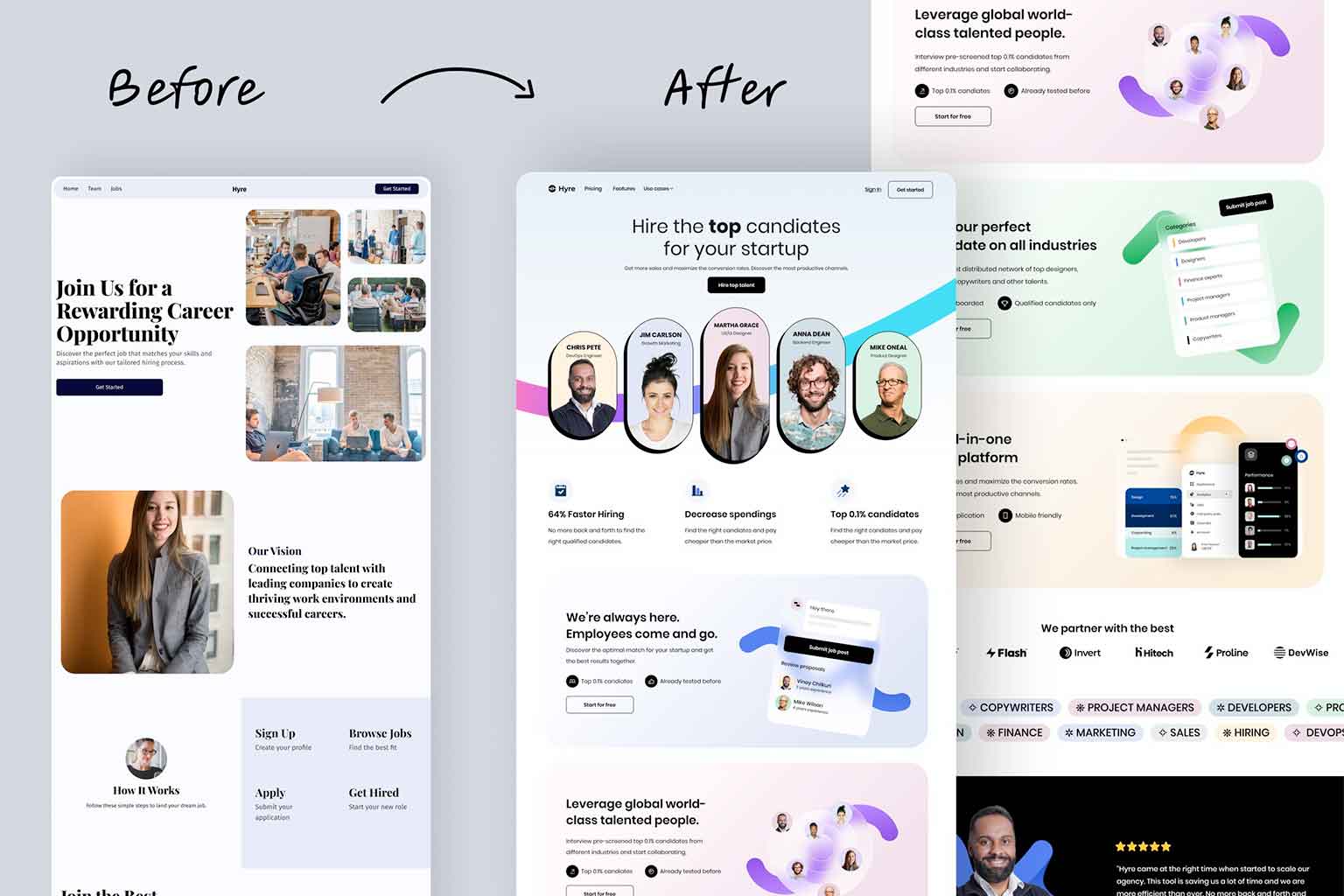
A clean, modern design that is easy-to-navigate layout with some clear call to action buttons builds trust and keeps users engaged with the site and brand. Having a confusing layout or outdated designs tend to push visitors away, often before they’ve even read your content and far before they’ve reached a conversion point.
UX is one of the most practical ways that web design impacts content marketing. It turns curiosity into clicks, and clicks into conversions, and conversions into profit.
How Web Design Impacts SEO and Organic Discovery
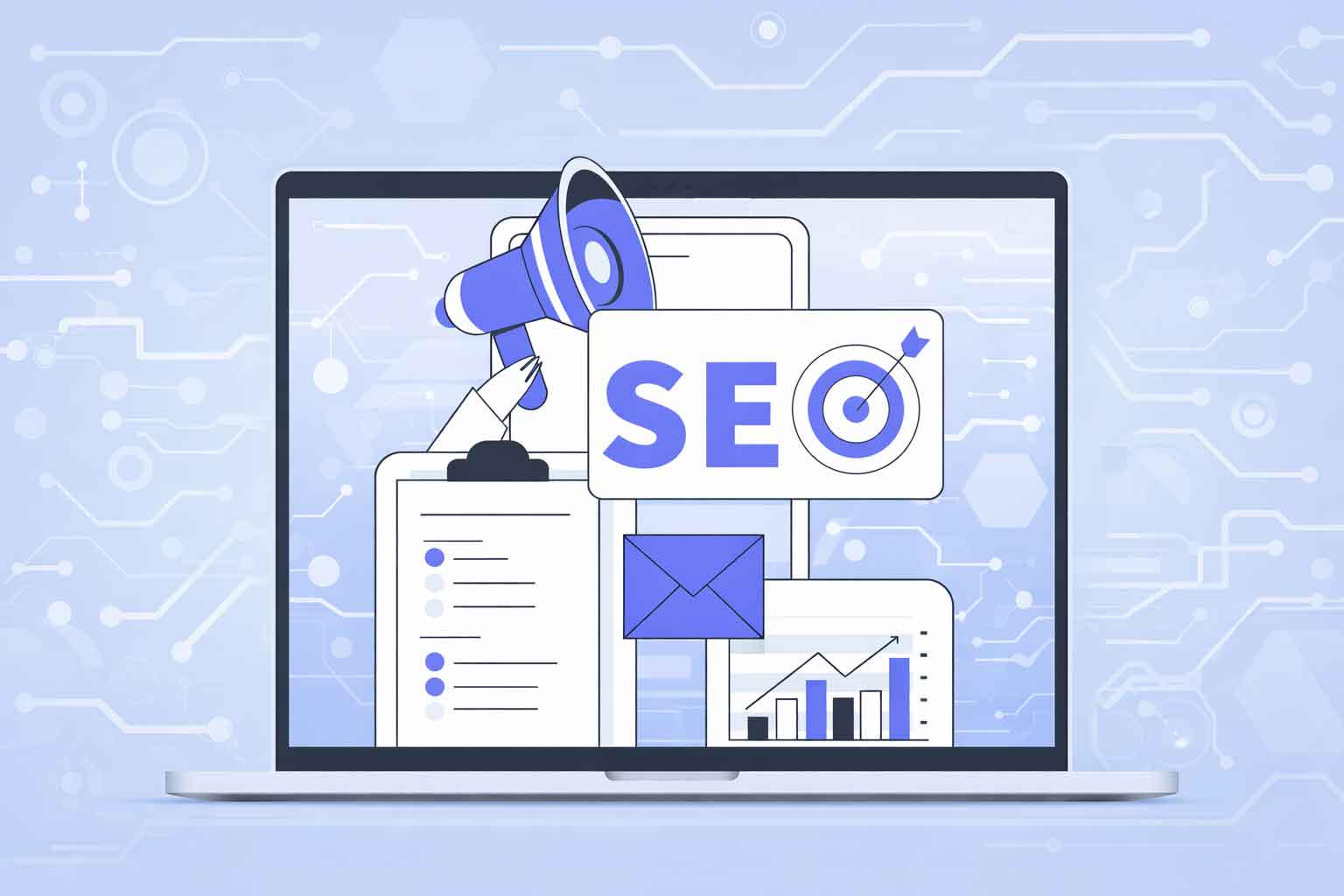
While search engines certainly care about your content, they also care a great deal about how your site is built. That means web design plays a major role in your SEO efforts and successes.
Elements like page structure, heading tags (H1, H2, etc.), internal linking, mobile responsiveness, and crawlability all have an impact on how well your content gets ranked and found. It can even impact the odds of users clicking the link to your site in Google. Without a properly structured and SEO-friendly design, even the absolute best content might never show up in search results.
If your content marketing strategy includes blogging, and of course it should, your website needs to be designed and built with SEO in mind – from the digital ground up.
Design Strengthens Your Social Media Content
Social media is a common first place users might come across your brand. But the social media post or story is only part of the journey, as mentioned, in many cases it’s the first part of the journey. What really matters is where you send them after they’ve seen that first post..
If the website or landing page you’re linking to doesn’t match or reflect the tone, design, or promises established in your social post, users may bounce right off the site due to confusion. And if that page is slow, messy, clunky, dated looking, or hard to read on mobile devices then any trust you started to build on the social media platform is gone.
A great site ensures your social content has somewhere solid to land and bring users to. It provides that great landing place where visitors can explore further, take action, or join your list.
Design Drives Results for Email Campaigns
Your email strategy is only as strong as the pages it sends people to. Whether it’s a blog post, landing page, or product page, what happens after a user clicks that email newsletter link matters just as much as the email messaging and subject line itself.
If the page is confusing, slow, or inconsistent with the email’s message or branding, people leave. But if the experience is seamless, clear, and easy to engage with, you increase conversions and keep your list engaged.
Your website’s opt-in forms, thank you pages, and lead magnets all need to be professionally designed to grow and nurture your email list effectively.
A Mobile-Friendly Design Keeps Your Content Accessible
It doesn’t matter if your content starts with a search engine, an email, or a social media post – there’s a good chance it’s being done on a phone.
If your website isn’t mobile-friendly and responsive, you’re instantly losing a huge segment of your possible audience. Poor mobile design affects everything from bounce rates to SEO rankings to user engagement and more. And if the content can’t be read easily, no one’s going to stick around and definitely not going to get to a point of conversion.
Responsive, mobile-first design ensures that your content is accessible, readable, and actionable on any device.
Design and Content Marketing Work Best Together
There’s no simpler way to say it or bring it all together: web design and content marketing work best together. Together, in unison tandem step – that’s how web design impacts content marketing.
Your website isn’t a standalone brochure.It’s the engine that drives your marketing strategy each day, and your content marketing is part of that strategy. Every email, every blog post, every Instagram story is part of the larger funnel and that funnel is leading to your website.
Understanding how web design impacts content marketing is about seeing your site not as a separate piece of marketing or its own separate platform, but as the central driving force behind all your marketing efforts. It’s where everything connects. It’s where momentum builds. And it’s where conversions happen.
Bring It All Back to the Website: Where Content Marketing Comes Together
If your content marketing efforts aren’t delivering the results you expect, it might not be the content itself that’s the problem – it might be the website behind it. Understanding how web design impacts content marketing is about seeing your site not as a separate piece, but as the central hub that connects everything. Your blog strategy, SEO work, social media posts, and email campaigns all depend on a site that supports and strengthens those efforts.
When your website design and content marketing work in sync, your messaging becomes more effective, your conversions go up, and your brand looks more polished and professional across every channel.
Need help reviewing how your web design is supporting your content strategy? Let’s talk. We’d love to help you build a site that amplifies every piece of content you create.