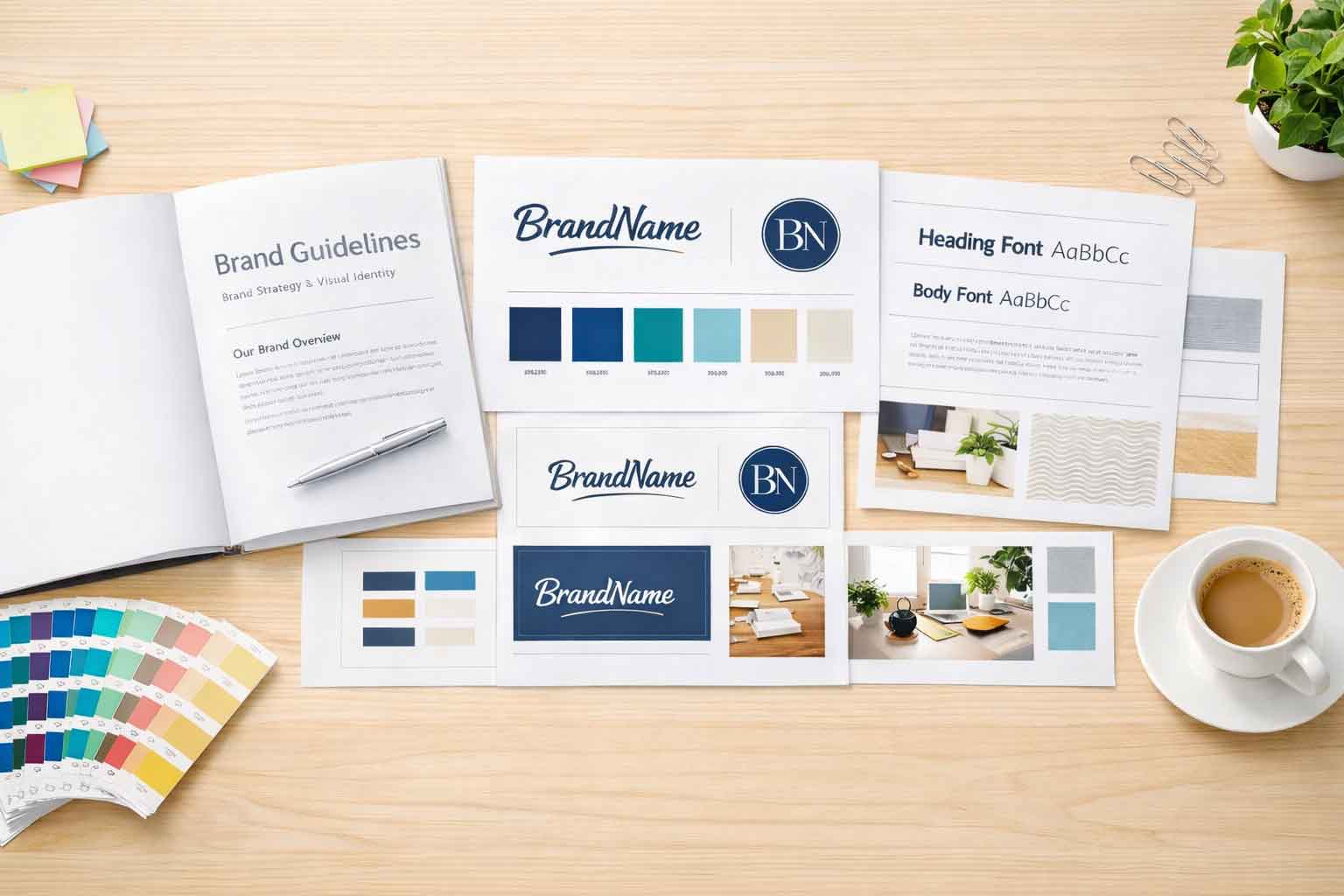
Creating Consistent Visual Language

A consistent visual language makes your brand instantly recognizable across all platforms. This means using repeatable design elements like typography, color, and layout styles that reflect your brand’s personality. In this blog, we cover how to establish and maintain a strong visual identity that keeps your marketing materials aligned. At Full Scope Creative, we help brands look and feel consistent—whether it's a website, brochure, or social media post.

Interacting with your audience

In today’s digital age, brands interact with their audiences across a myriad of platforms—websites, social media, mobile apps, print materials, and more. Ensuring a consistent visual language across these diverse touchpoints is crucial for maintaining a cohesive brand identity and fostering recognition. In this article, we explore the importance of consistent visual language and provide practical strategies for achieving it across different platforms.

The Importance of Consistent Visual Language

Consistency in visual language reinforces brand identity, builds trust, and enhances brand recall. When a brand presents a unified look and feel across all platforms, it creates a seamless and professional image, making it easier for audiences to recognize and connect with the brand. Inconsistent visual elements, on the other hand, can confuse customers and dilute the brand message.

Key Elements of Visual Language

Before diving into the strategies, it’s essential to understand the key elements that constitute visual language:

  1. Color Palette: The set of colors used consistently across all brand materials.
  2. Typography: The fonts and typographic styles that reflect the brand’s voice.
  3. Imagery: The style and type of images, including photos, illustrations, and icons.
  4. Logo and Branding Elements: The primary logo, secondary marks, and other brand symbols.
  5. Layout and Composition: The way elements are arranged and structured on a page or screen.
  6. Graphic Styles: The overall aesthetic, including the use of shapes, lines, and textures.

Strategies for Creating Consistent Visual Language

1. Develop Comprehensive Brand Guidelines

Brand guidelines, or a brand style guide, are the cornerstone of maintaining visual consistency. These guidelines should detail:

  • Color specifications (HEX, RGB, CMYK)
  • Typography rules, including font sizes, weights, and styles
  • Logo usage guidelines, such as minimum sizes, spacing, and acceptable variations
  • Image style preferences, including types of images, filters, and treatments
  • Layout templates for different types of content
  • Graphic elements and their usage

2. Use Consistent Design Tools

Utilize the same design software and tools across your team to ensure consistency. Tools like Adobe Creative Cloud, Sketch, or Figma allow for the creation of shared libraries where team members can access the same design assets and templates.

3. Create Reusable Design Templates

Develop templates for common use cases such as social media posts, email newsletters, presentations, and website pages. Templates help maintain a uniform structure and style, even when content varies.

4. Implement a Design System

A design system is a collection of reusable components, guided by clear standards, that can be assembled to build any number of applications. This system includes everything from buttons and forms to navigation menus and icons, ensuring consistency in UI elements across digital platforms.

5. Regular Training and Updates

Regularly train your team on the importance of brand consistency and how to apply the brand guidelines. Keep the brand guidelines updated to reflect any changes or new elements, and communicate these updates to the team.

6. Centralize Asset Management

Use a digital asset management (DAM) system to store and organize all brand assets in one place. This makes it easy for everyone on the team to access the correct files and ensures that outdated or incorrect assets aren’t used.

Real World Examples: 

Coca-Cola is a masterclass in maintaining a consistent visual language. Their iconic red and white color palette, cursive typography, and imagery focused on joy and togetherness are instantly recognizable across TV ads, social media, packaging, and merchandise.

Apple is another great example, it uses its clean, minimalist design language and keeps it consistent across its website, product packaging, retail stores, and advertising. Their use of white space, sleek product images, and simple typography creates a cohesive brand experience that’s unmistakably Apple.

Conclusion

Creating a consistent visual language across different platforms is vital for building a strong, recognizable brand. By developing comprehensive brand guidelines, using consistent tools, creating reusable templates, implementing a design system, providing regular training, and centralizing asset management, brands can ensure a cohesive and professional image. Consistency not only enhances brand recognition but also builds trust and loyalty among customers.

Ready to take your brand’s visual consistency to the next level? Contact us with Full Scope Creative and get started!


Ready to discover how we can help make your website and marketing more successful?
Contact Us

Marketing Made Simple

Insights from Full Scope Creative

Our thoughts on website design, graphic design, marketing, SEO, website hosting, branding, business management, and more here in the Full Scope Creative blog!

Insights, Tips, and Strategies for Small Business Success

Our blog is packed with expert advice on website design, SEO, marketing, branding, and more. Whether you’re looking to improve your website’s performance, boost your online presence, or streamline your business’s digital strategy, you’ll find valuable insights and actionable tips right here.

Shared vs Dedicated Hosting for SEO

Does shared hosting hurt SEO? Does dedicated hosting help rankings? The truth is simpler than most people think. Google does not rank websites based on server type. It ranks them based on performance. In this article, we break down what actually matters for SEO and how hosting should support your growth, not replace real strategy.

Read More »
A client asking a question - great blog material!

Turn Client Questions Into Blog Posts

Every time a client says, “I have no idea what that is,” you just found your next blog topic. Instead of explaining it once and moving on, turn that question into an article. Then share it when others ask. You build traffic, trust, and authority all at the same time by simply teaching clearly.

Read More »
Hiking freely in nature. the joy of open, NOT closed website builders.

Closed Website Design Platforms

Closed website design platforms like Wix, Weebly, Squarespace, and GoDaddy Website Builder can be easy to start with. But they come with limits. You cannot move the site, change hosting freely, or fully customize the code. This article explains what a closed platform is and why many growing businesses choose WordPress instead.

Read More »
An example of a brand design guide

What is a Brand Design?

What is a brand design? It’s more than a logo. Brand design defines your colors, fonts, textures, and overall visual style so every part of your marketing looks consistent and professional. For small businesses, strong brand design creates clarity, improves websites, and makes future marketing easier and more effective.

Read More »

Which Website Builder Is Best for WordPress?

Trying to decide which website builder is best for WordPress? Divi, Beaver Builder, WP Bakery, and Elementor all offer different strengths. In this guide, we break down what each builder does well, where they fall short, and why Elementor is our top choice for small business websites at Full Scope Creative.

Read More »
ACF and Elementor are easy to use and can add so much to a site!

ACF and Elementor

ACF and Elementor allow us to turn a basic WordPress site into a structured, easy-to-manage system. With custom fields, custom post types, and dynamic layouts, your content stays organized and simple to update. Full Scope Creative sets it all up so you can just fill out fields and publish with confidence.

Read More »
4 servers and the 4 different types of website hosting.

What Are the 4 Types of Hosting?

What are the 4 types of hosting? Shared, VPS, dedicated, and cloud hosting each offer different levels of cost, speed, security, and control. In this guide, we break them down in simple terms so small business owners can understand their options and choose a hosting setup that fits their needs and budget.

Read More »
business owner going over a checklist

Your Site Isn’t Ready for SEO If…

SEO can drive real growth for a small business. But if your website is slow, hard to use on mobile, thin on content, or not focused on the right keywords, you may be wasting money. Before investing in SEO, make sure your site is built and structured to support it the right way.

Read More »

List out all of your services

Many small businesses offer more services than their website lets on. When those services are hidden or scattered, potential customers never see the full picture. This blog explains why clearly listing every service matters, how to structure services pages, and how the right setup helps build trust and guide visitors toward the next step.

Read More »
Ready to discover how we can help make your website and marketing more successful?
Contact Us

Full Scope Creative has been great to work with. On top of the services they are contracted to provide, as a small Nonprofit without a website professional on staff, Chris is always willing to answer questions & provide guidance when asked. I recommend working with Chris and his team!

~ Leah Stevens,
LT Virtual Solutions