Every now and then I’ll stop in to a new store that I haven’t been in before, feel somewhat overwhelmed at the experience, and really not know where I want to go. A trip to a new grocery store was like that for me once. My options were to go left, right, forward – and I could see a set of stairs going up to who knows where. I could see the produce section, the meat counter, and I could hear someone saying, “Would you like to sample…?” Truth be told, it was a little confusing for me. (I just wanted to find the two items I was looking for – bananas and green olives. You know, the usual.) A website can give that same feeling of being overwhelmed to users, especially when it comes to the header of the website.

When we talk about the header of the website, I’m not referring to things like the individual page headings (H1 tag for you HTML junkies); we’re talking about the area at the very top with the logo and navigation. This header is usually above the main content of the site and has a few elements that can help a user navigate through your site as well as increase the chances of a conversion (however that may be measured on your site). The elements we usually find in a header are the logo, navigation, a Call To Action (CTA), oftentimes a tagline and/or links to social media, and the business phone number and email address.

I’ve been on some sites where it almost feels like they are wanting to cram every last little detail about the organization into that header space: the year the company was started, if it’s family owned, calls to action such as “sign up for this newsletter” or “request this catalog,” a million different social media links, and all kinds of other stuff. The kind of stuff that should be on the site, but not in the header. While we’re at it, let me just say: for the love of all things good and righteous, do NOT put a slideshow in the header. 

What should you put in the header? Keep it simple: your logo, navigation, a tagline or Call to Action, and links to social media. That’s all. There are a number of ways to do this. One of the most effective ways that we’ve found is to do a sort of ‘header sandwich’: we’ll have one line of smaller text going across the top that has the social media links, phone number, email address, and depending on the business. possibly their street address. Below that, we’ll have the logo on the left side of the page (or sometimes centered), and a tagline or call to action on the right. Below all of that is usually where the navigation will go, though sometimes the navigation is off to the right of the logo. Why do we usually follow such a layout? Yes, this formula may get repetitive, but with well-planned creative and design elements, we can follow this extremely effective layout that has proven successful time and time again, site after site.

I know it can be tempting to add a ton of information and features into your header, but keep it simple. Just like going into a store, we want to help give visitors clear direction regarding where they should go next and help them navigate through the experience. If your site isn’t getting the results you were hoping for, start at the top, and see what the header looks like. Oftentimes, a cluttered and overcrowded header will have a negative impact on a site’s overall performance.

Ready to discover how we can help make your website and marketing more successful?
Contact Us

Marketing Made Simple

Insights from Full Scope Creative

Our thoughts on website design, graphic design, marketing, SEO, website hosting, branding, business management, and more here in the Full Scope Creative blog!

Insights, Tips, and Strategies for Small Business Success

Our blog is packed with expert advice on website design, SEO, marketing, branding, and more. Whether you’re looking to improve your website’s performance, boost your online presence, or streamline your business’s digital strategy, you’ll find valuable insights and actionable tips right here.

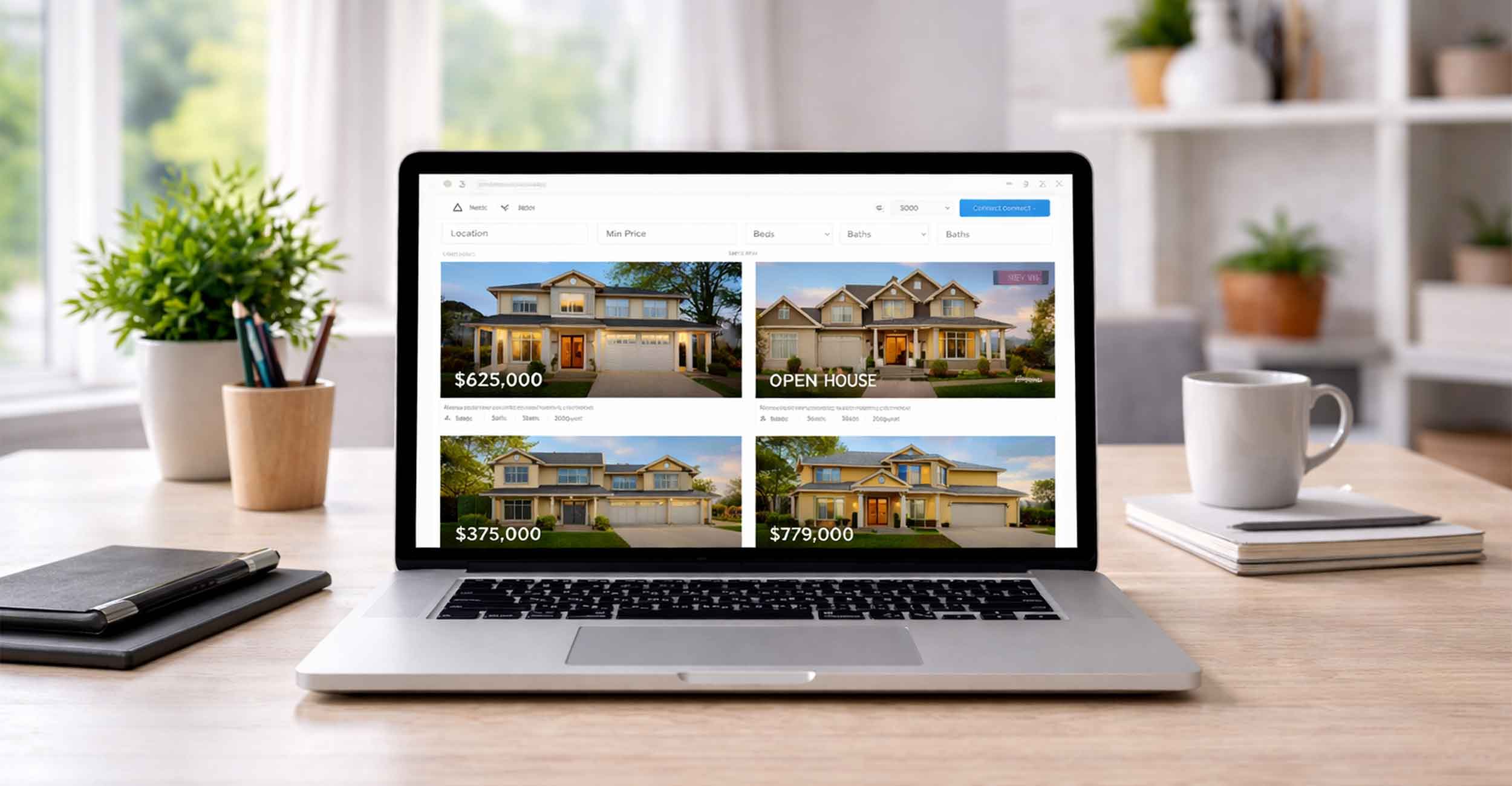
Homes listed on a website. You'll need an IDX plugin to do this on WordPress. Full Scope can help with that!

IDX Real Estate WordPress Plugin

An idx real estate wordpress plugin lets you show MLS listings on your own website. There is no free way to pull listings into WordPress, so you need the right tool. We use and recommend Showcase IDX. It connects to your MLS, keeps listings updated, and turns your site into a real marketing asset.

Read More »

Do Real Estate Agents Need a Website

Do real estate agents need a website if they already use Zillow or Realtor.com? Those platforms help, but they are not yours. Your own website gives you control over branding, SEO, and lead capture. It becomes a real business asset that grows with you and supports your long term success.

Read More »

Shared vs Dedicated Hosting for SEO

Does shared hosting hurt SEO? Does dedicated hosting help rankings? The truth is simpler than most people think. Google does not rank websites based on server type. It ranks them based on performance. In this article, we break down what actually matters for SEO and how hosting should support your growth, not replace real strategy.

Read More »
A client asking a question - great blog material!

Turn Client Questions Into Blog Posts

Every time a client says, “I have no idea what that is,” you just found your next blog topic. Instead of explaining it once and moving on, turn that question into an article. Then share it when others ask. You build traffic, trust, and authority all at the same time by simply teaching clearly.

Read More »
Hiking freely in nature. the joy of open, NOT closed website builders.

Closed Website Design Platforms

Closed website design platforms like Wix, Weebly, Squarespace, and GoDaddy Website Builder can be easy to start with. But they come with limits. You cannot move the site, change hosting freely, or fully customize the code. This article explains what a closed platform is and why many growing businesses choose WordPress instead.

Read More »
An example of a brand design guide

What is a Brand Design?

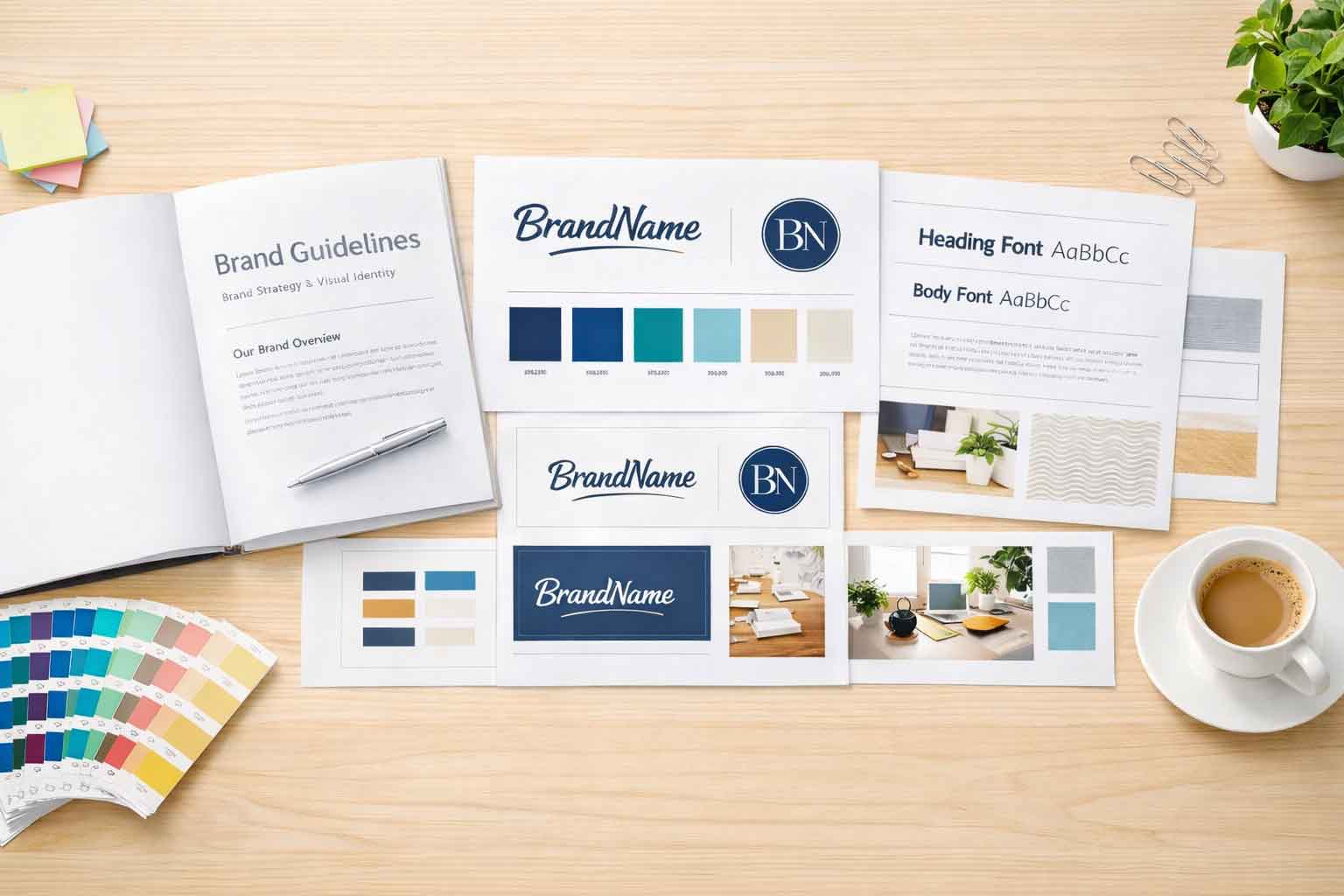
What is a brand design? It’s more than a logo. Brand design defines your colors, fonts, textures, and overall visual style so every part of your marketing looks consistent and professional. For small businesses, strong brand design creates clarity, improves websites, and makes future marketing easier and more effective.

Read More »

Which Website Builder Is Best for WordPress?

Trying to decide which website builder is best for WordPress? Divi, Beaver Builder, WP Bakery, and Elementor all offer different strengths. In this guide, we break down what each builder does well, where they fall short, and why Elementor is our top choice for small business websites at Full Scope Creative.

Read More »
ACF and Elementor are easy to use and can add so much to a site!

ACF and Elementor

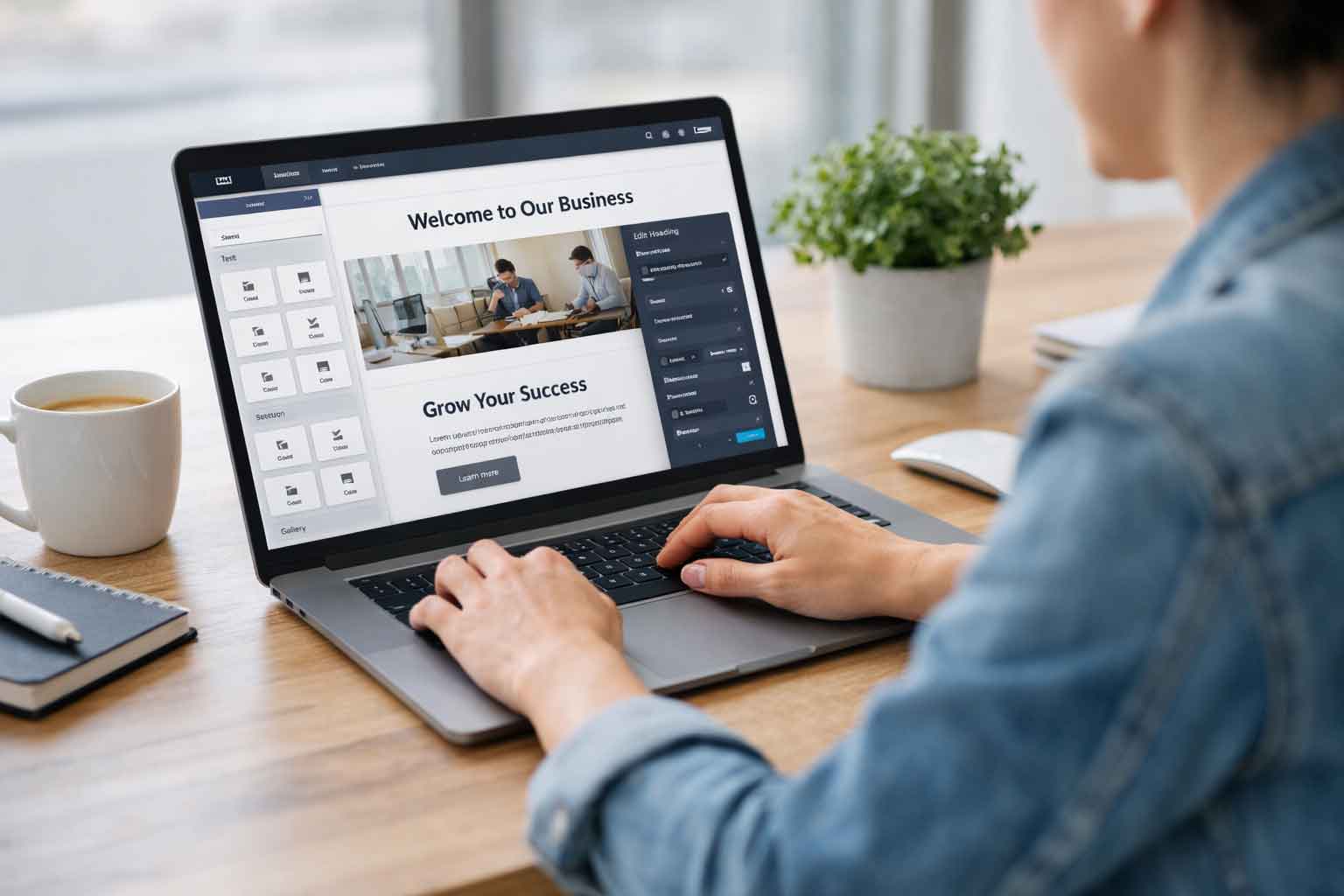
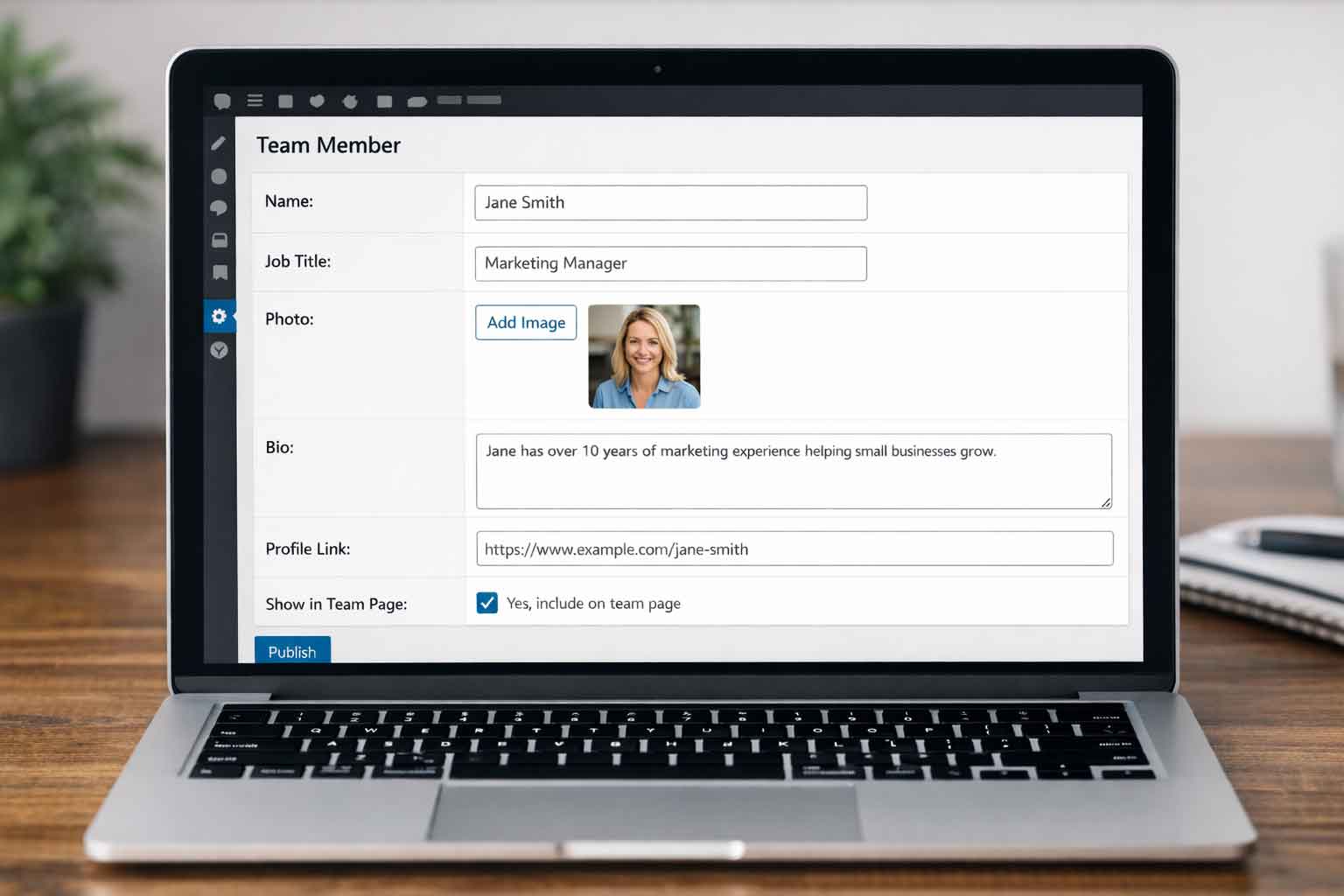
ACF and Elementor allow us to turn a basic WordPress site into a structured, easy-to-manage system. With custom fields, custom post types, and dynamic layouts, your content stays organized and simple to update. Full Scope Creative sets it all up so you can just fill out fields and publish with confidence.

Read More »
4 servers and the 4 different types of website hosting.

What Are the 4 Types of Hosting?

What are the 4 types of hosting? Shared, VPS, dedicated, and cloud hosting each offer different levels of cost, speed, security, and control. In this guide, we break them down in simple terms so small business owners can understand their options and choose a hosting setup that fits their needs and budget.

Read More »
Ready to discover how we can help make your website and marketing more successful?
Contact Us
Full Scope Creative does amazing work! Chris and his team provide personalized, professional, and timely service with outstanding results and great value. Highly recommend!
~ Erik Nieman,
Allouez Optimist Club