Fonts are powerful
Graphic designers are gifted with one of the most powerful tools that seems… a little unassuming: fonts. Yeah, fonts can be cool, but they are very… wordy. So it’s incredible when you stop and think about what something that is used to write words can do visually: silently convey emotions, influence perception, and shape brand identity. While it might be tempting to focus solely on visuals, understanding the intricacies of typography is essential for crafting designs that leave a lasting impact. So, without further ado, let us explore the importance of fonts in graphic design by delving into their psychology, business implications, and why some fonts work and others don’t.
The Psychology of Fonts
 Fonts are more than just letters on a page; they are carriers of meaning and emotion. Consider the basics of changing a certain font: by simply making a font bolder it can drastically change the feel of the font, and by putting fonts in CAPS it can feel like YELLING. How much more must each different font family and their quirks affect the viewer? To keep from getting too detailed, let’s stick to the basics and touch on the most important aspects of font psychology:
1. Serif vs. Sans-Serif
- Serif Fonts: These fonts, with their decorative lines at the ends of characters (think Times New Roman and the little tails that come off the “T” or the line underneath the “i”), convey tradition, reliability, and professionalism. They’re often used for formal documents.
- Sans-Serif Fonts: Fonts without those extra lines (like Arial or Helvetica) have a modern, clean feel. They often suggest simplicity and clarity.
2. Typeface Personality
Different fonts exude distinct personalities:
- Script Fonts: Cursive or handwriting-style fonts evoke elegance, creativity, and a personal touch. They’re often used for luxury brands or to convey uniqueness.
- Bold, Geometric Fonts: Fonts like Futura or Bauhaus are modern and assertive. They imply innovation and forward-thinking.
- Old-Style Fonts: Fonts with a historic look, such as Garamond, impart a sense of heritage and timeless appeal.
3. Legibility and Readability
Consider the purpose of your design. For body text, prioritize legibility; for headlines or logos, you can experiment with more creative fonts. The easier your text is to read, the more engaging your design.
The Impact on Branding
 Fonts play a pivotal role in branding. They are a visual representation of your brand’s personality and values:
1. Consistency is Key
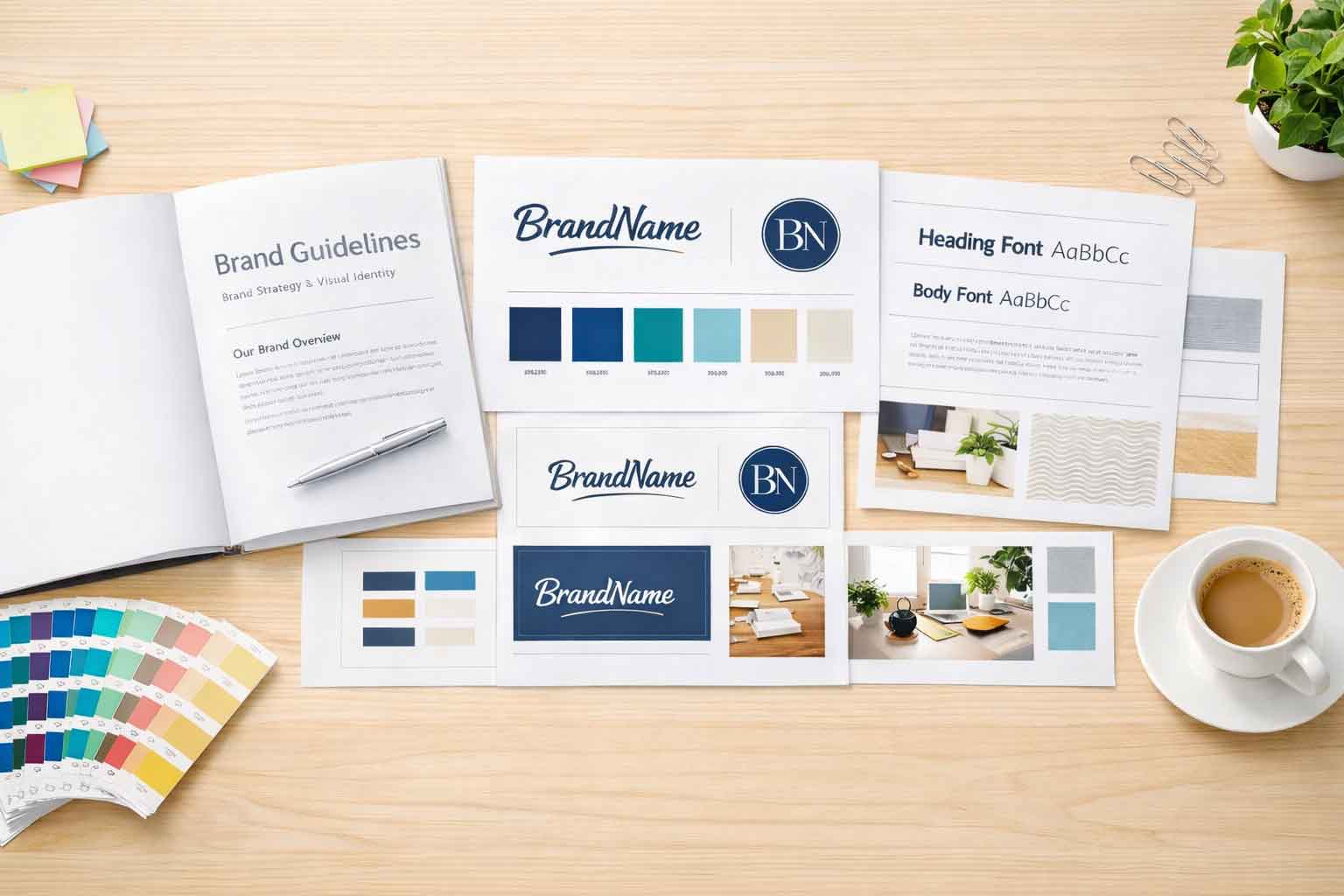
Consistency in font usage across your brand materials fosters recognition and trust. Your website, logo, marketing materials, and social media should all reflect the same typography choices.
2. Uniqueness Sets You Apart
Custom fonts or distinctive font combinations can set your brand apart in a sea of competitors. They make your brand memorable and recognizable.
The Business Aspect
 Fonts can have a direct impact on your business’s bottom line:
1. Target Audience Connection
Your choice of font should align with your target audience. If your audience is primarily older, conservative individuals, a playful, modern font may not resonate with them.
2. Readability Affects Conversion
In web design, font size, style, and spacing directly impact user engagement and conversion rates. A cluttered or hard-to-read website can drive users away.
The Art of Font Pairing
Choosing the right font pairings can be a game-changer in your designs:
Contrast: Combining a serif font with a sans-serif one creates visual interest. For example, pairing a sleek sans-serif heading with a traditional serif body text can be visually appealing.
Harmony: Choose fonts that have similar x-heights or proportions for a harmonious look.
Exploring Successful Font Use
 Let’s take a look at some real-world examples of successful font use:
1. Coca-Cola
Coca-Cola’s custom script font is instantly recognizable and conveys nostalgia and timeless appeal.
2. Google
Google’s choice of the clean, sans-serif font “Product Sans” aligns with its minimalist, user-friendly brand image.
3. Airbnb
Airbnb uses a unique, custom font called “Cereal” to create a sense of community and belonging.
In Conclusion
Typography is the unsung hero of graphic design, silently influencing how audiences perceive brands and designs. To master the art of fonts, you have to understand the psychology behind them, consider their impact on branding and business, and experiment with font pairings. Remember, fonts aren’t just letters; they are your voice in the world of design. Need help trying to use the right font for your branding? Contact us at Full Scope Creative and we can give you some tips!