One of the great things about online marketing, such as email newsletters, is that there are so many great statistics that can be tracked and monitored. The downside to that is that there can be so much data and so many terms that it can be overwhelming. One term you’ll likely hear about in your newsletter analytics, is “bounce” – specifically, “soft bounce” and “hard bounce”. Let’s take a quick look at each and see what they might mean for your campaigns.

A “bounce” is an email delivery attempt that didn’t go through. What separates a soft bounce and a hard bounce, is whether or not it pays to keep sending emails to that email address. A soft bounce occurs when an email is sent to an email address, but for one reason or another it wasn’t able to deliver that email. If the user’s inbox was full and they’re maxed out on storage space, that would return as a soft bounce. Another example of a soft bounce would be if the recipient’s email server was down for a period of time.

While we may not know exactly why an email bounced, what we do know is that the email address is valid; the user just can’t accept email at that time. Most email newsletter systems such as Campaign Monitor will attempt to deliver to an email address a few times after it’s returned as a bounced email. If the problem was that the email server of the recipient was rebooting, when the newsletter campaign system sends the email a second time, it could potentially still be delivered.

Alternatively, a hard bounce is an email that will never get delivered because the email address itself is either no longer in use, or, was never valid to begin with – an invalid username. For example, if John Smith signed up for your email newsletter with the email address john.smith@company.com, but John is no longer employed by “company”, his email address will likely be deleted. This would result in a hard bounce. If someone signs up for your newsletter using a fake email address that doesn’t exist, this will also result in a hard bounce. For many email newsletter systems, an email that has a hard bounce will automatically be deleted from your list so you don’t send to that email anymore.

For many email newsletter systems, once an email address has experienced a soft bounce a few times, that email will automatically be converted to a hard bounce. For our Full Scope Creative newsletters, if an email address has a soft bounce 5 times in a row, it is then converted to a hard bounce and the email address is removed. If there is a soft bounce 4 times but the 5th time it’s opened, the count resets to 0.

It’s worthwhile to note that neither soft or hard bounces have anything to do with the spam folder. If your newsletter ends up in someone’s spam or junk folder, that is NOT reported as a bounce of either kind.

Soft bounces and hard bounces are really just two sides of a simple metric to see if your emails are being delivered to your users. Sending regular monthly or quarterly e-newsletters are a good tool in your online marketing toolkit, a great way to communicate with your customers, and a valuable component of any business’ marketing plan.

Ready to discover how we can help make your website and marketing more successful?
Contact Us

Marketing Made Simple

Insights from Full Scope Creative

Our thoughts on website design, graphic design, marketing, SEO, website hosting, branding, business management, and more here in the Full Scope Creative blog!

Insights, Tips, and Strategies for Small Business Success

Our blog is packed with expert advice on website design, SEO, marketing, branding, and more. Whether you’re looking to improve your website’s performance, boost your online presence, or streamline your business’s digital strategy, you’ll find valuable insights and actionable tips right here.

A user doing a google search.

Local SEO Vs Organic SEO

Local SEO Vs Organic SEO is a question many small business owners ask. Both help your website appear in Google search results, but they work in different ways. One focuses on local searches and map listings. The other focuses on website pages and content. This article explains the difference and why most businesses should use both.

Read More »
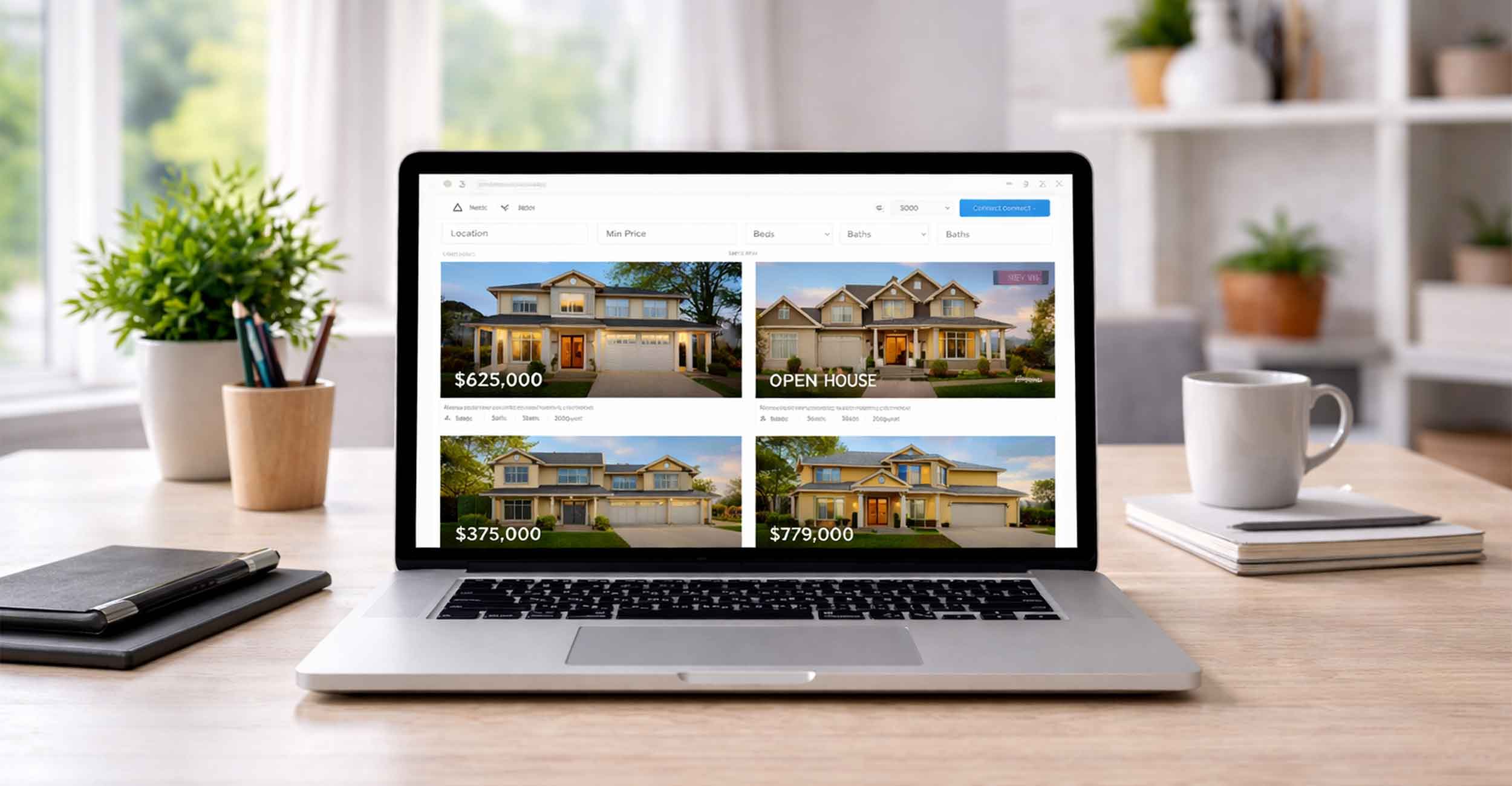
Homes listed on a website. You'll need an IDX plugin to do this on WordPress. Full Scope can help with that!

IDX Real Estate WordPress Plugin

An idx real estate wordpress plugin lets you show MLS listings on your own website. There is no free way to pull listings into WordPress, so you need the right tool. We use and recommend Showcase IDX. It connects to your MLS, keeps listings updated, and turns your site into a real marketing asset.

Read More »

Do Real Estate Agents Need a Website

Do real estate agents need a website if they already use Zillow or Realtor.com? Those platforms help, but they are not yours. Your own website gives you control over branding, SEO, and lead capture. It becomes a real business asset that grows with you and supports your long term success.

Read More »

Shared vs Dedicated Hosting for SEO

Does shared hosting hurt SEO? Does dedicated hosting help rankings? The truth is simpler than most people think. Google does not rank websites based on server type. It ranks them based on performance. In this article, we break down what actually matters for SEO and how hosting should support your growth, not replace real strategy.

Read More »
A client asking a question - great blog material!

Turn Client Questions Into Blog Posts

Every time a client says, “I have no idea what that is,” you just found your next blog topic. Instead of explaining it once and moving on, turn that question into an article. Then share it when others ask. You build traffic, trust, and authority all at the same time by simply teaching clearly.

Read More »
Hiking freely in nature. the joy of open, NOT closed website builders.

Closed Website Design Platforms

Closed website design platforms like Wix, Weebly, Squarespace, and GoDaddy Website Builder can be easy to start with. But they come with limits. You cannot move the site, change hosting freely, or fully customize the code. This article explains what a closed platform is and why many growing businesses choose WordPress instead.

Read More »
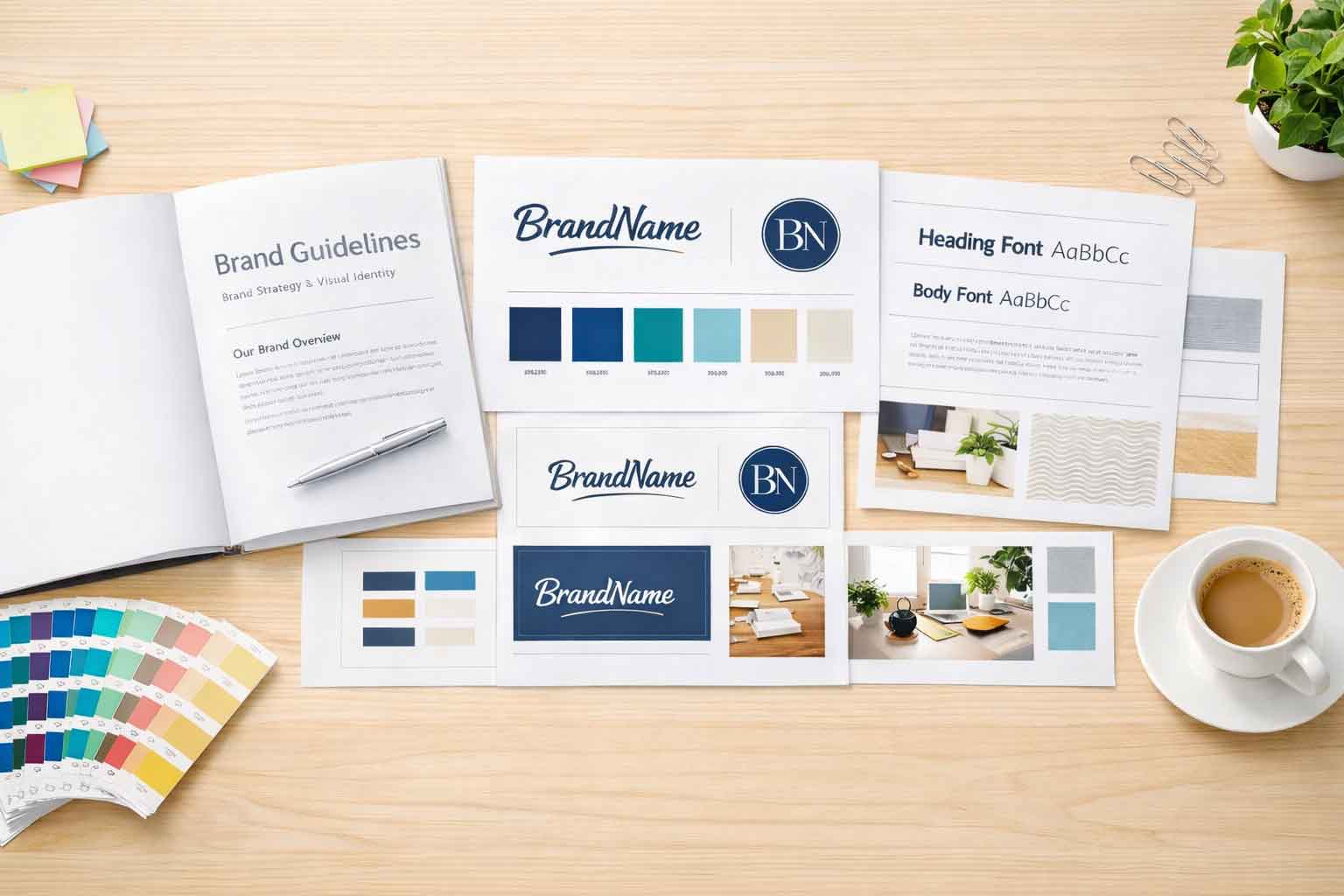
An example of a brand design guide

What is a Brand Design?

What is a brand design? It’s more than a logo. Brand design defines your colors, fonts, textures, and overall visual style so every part of your marketing looks consistent and professional. For small businesses, strong brand design creates clarity, improves websites, and makes future marketing easier and more effective.

Read More »

Which Website Builder Is Best for WordPress?

Trying to decide which website builder is best for WordPress? Divi, Beaver Builder, WP Bakery, and Elementor all offer different strengths. In this guide, we break down what each builder does well, where they fall short, and why Elementor is our top choice for small business websites at Full Scope Creative.

Read More »
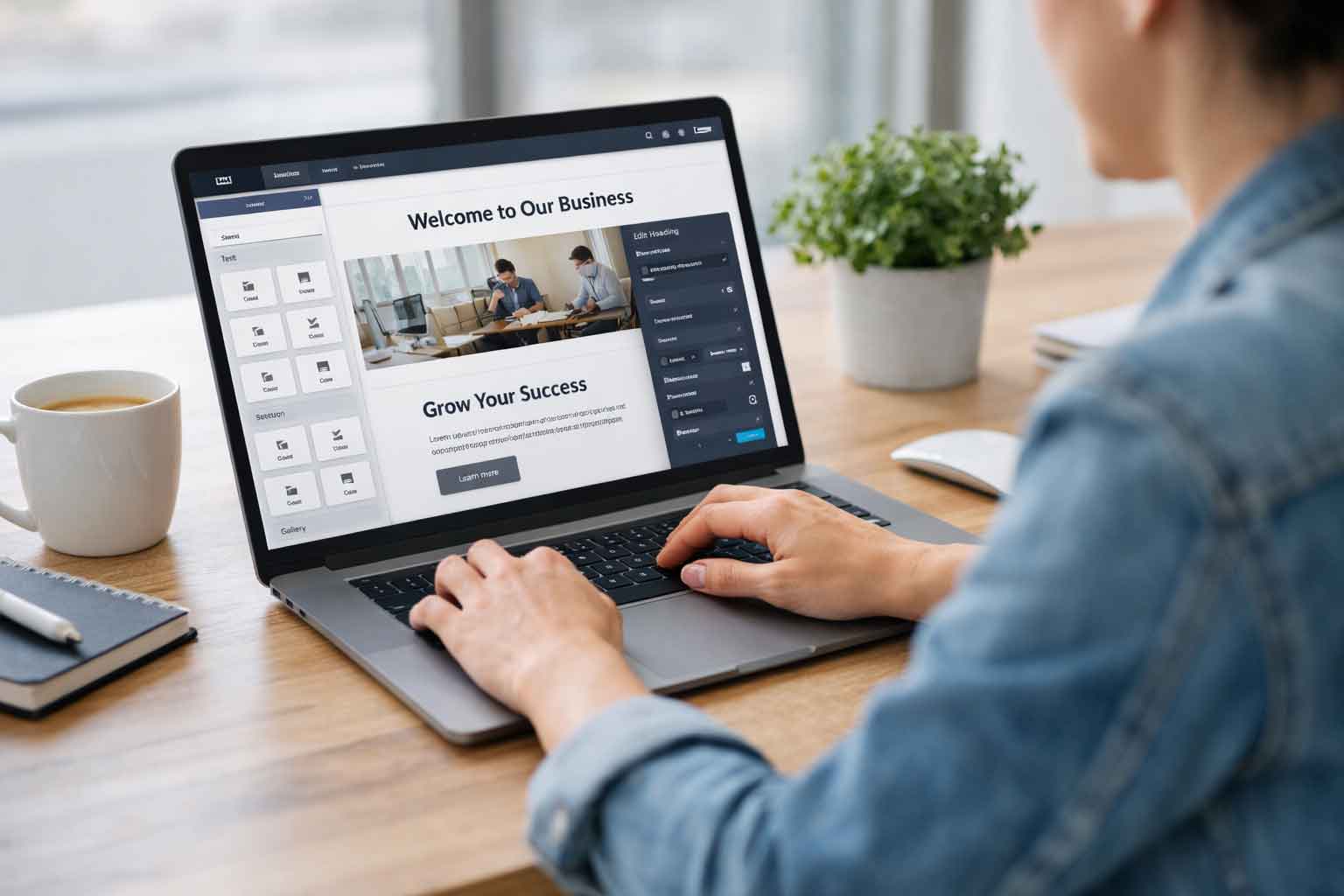
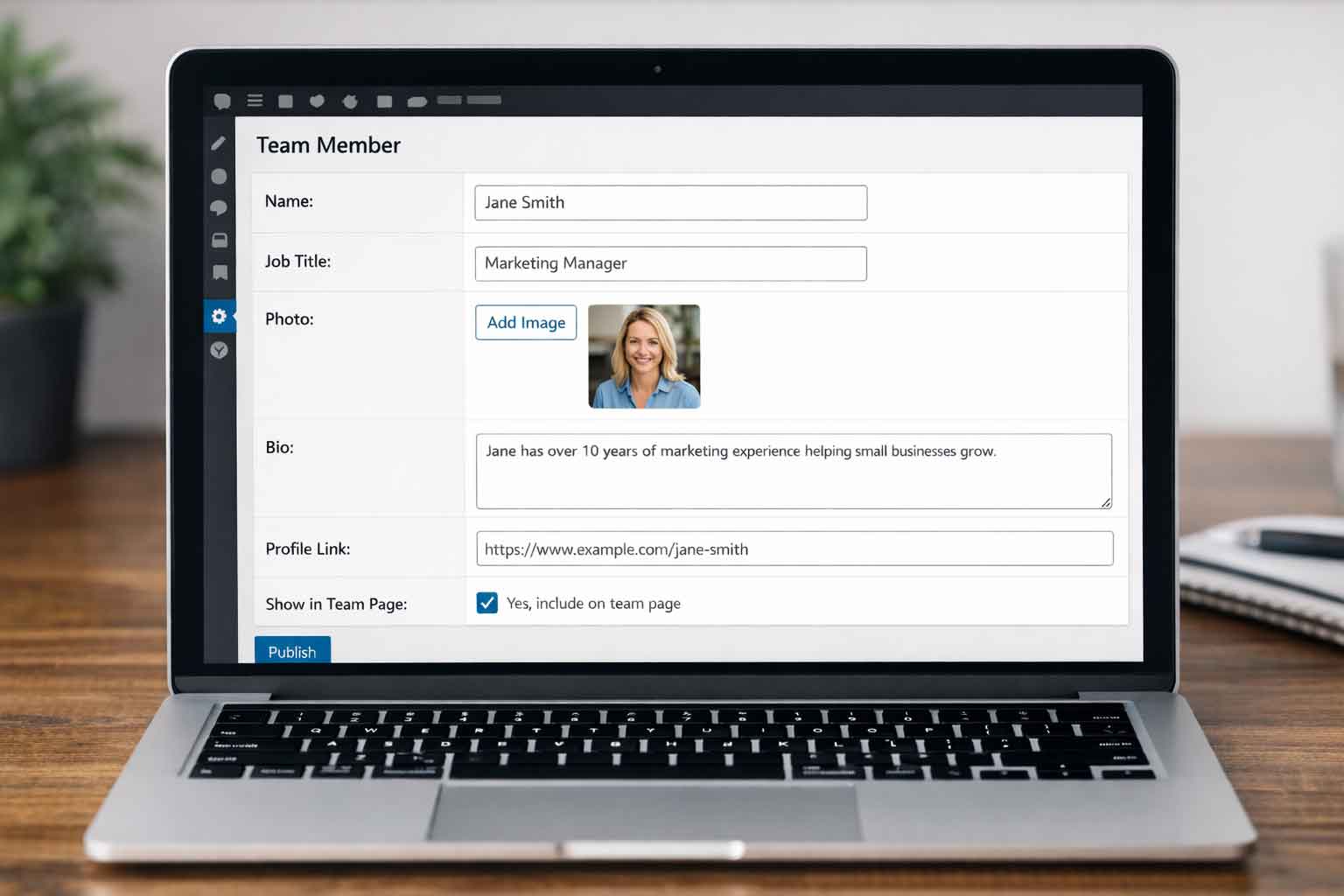
ACF and Elementor are easy to use and can add so much to a site!

ACF and Elementor

ACF and Elementor allow us to turn a basic WordPress site into a structured, easy-to-manage system. With custom fields, custom post types, and dynamic layouts, your content stays organized and simple to update. Full Scope Creative sets it all up so you can just fill out fields and publish with confidence.

Read More »
Ready to discover how we can help make your website and marketing more successful?
Contact Us
Full Scope Creative does amazing work! Chris and his team provide personalized, professional, and timely service with outstanding results and great value. Highly recommend!
~ Erik Nieman,
Allouez Optimist Club